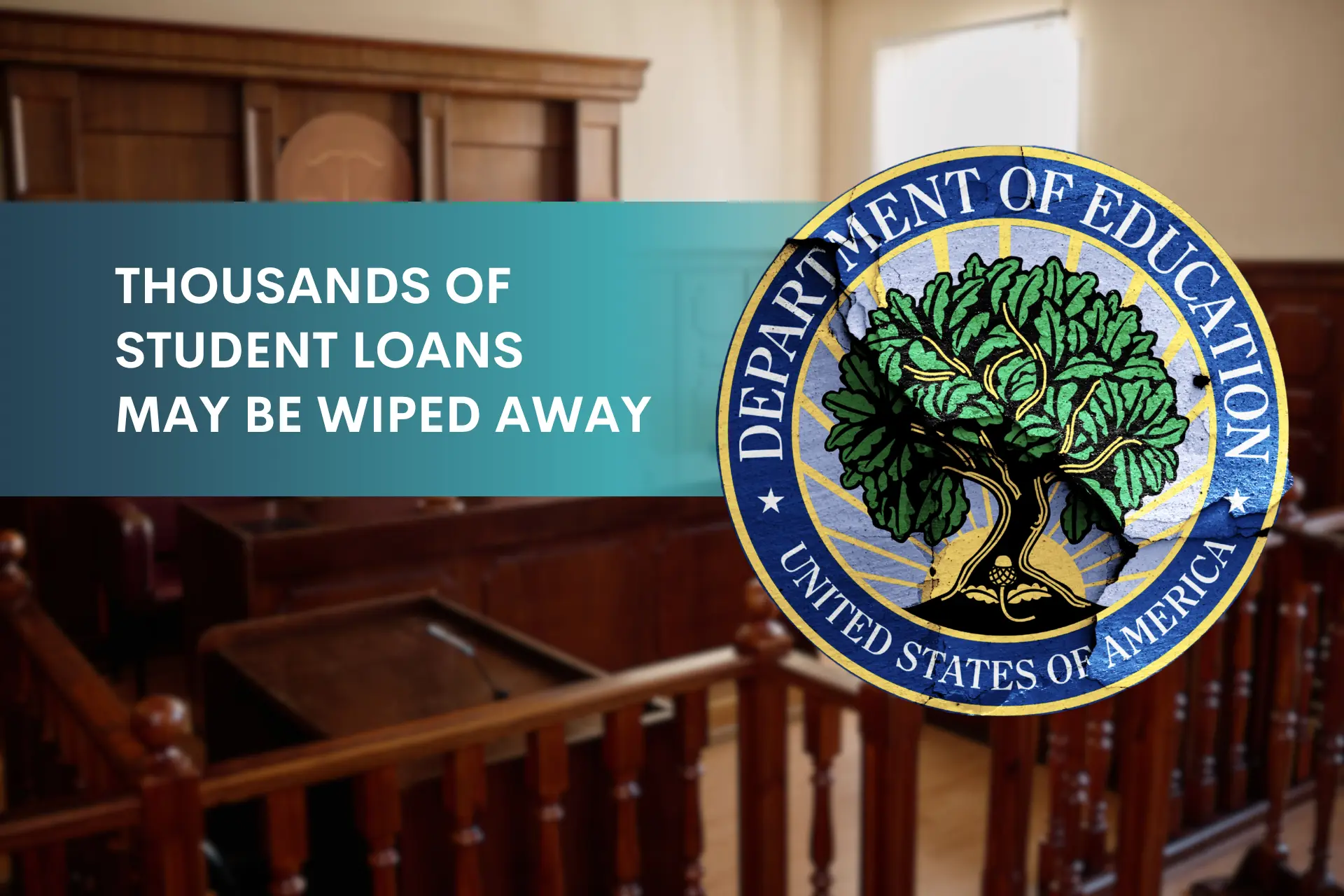
The Government Missed the Deadline… So, Thousands Of Student Loans May Be Wiped Away
Well… apparently this saga still isn’t over.
Back in 2023, we thought the Sweet v. Cardona borrower defense settlement had finally crossed the finish line. The Supreme Court declined to hear the schools’ appeal, borrowers started receiving discharges, and it looked like the Department of Education was simply working through the remaining backlog.
Fast forward to 2026, and the case is suddenly back in the spotlight — now renamed Sweet v. McMahon after the latest change in Education Secretaries. And this newest chapter may end up benefiting a massive number of borrowers in ways no one originally expected.
For those who haven’t followed every twist and turn, here’s the quick refresher:
The original Sweet settlement resolved claims from borrowers who alleged their schools misled them or engaged in misconduct. The Department of Education agreed to provide relief for certain groups of borrowers and, importantly, agreed to process another group of pending Borrower Defense claims within a strict timeline.
That second group — called the “Post-Class Applicants” — is where all the current drama lives.
These are borrowers who filed Borrower Defense applications between June 23, 2022, and November 15, 2022. Unlike the original class members, they were not automatically approved for relief. Instead, the Department agreed to individually review their applications within a set timeframe.
And once again… DOE missed the deadline.
Under the settlement agreement, the Department was required to complete many of those application reviews by January 28, 2026 and April 15, 2026, depending on the borrower category. When it became clear they weren’t going to get the work done, the Department asked the court multiple times for an additional 18 months to continue reviewing claims.
The courts said no.
Both the district court and the Ninth Circuit Court of Appeals rejected the Department’s attempts to delay the settlement terms. In March, the Ninth Circuit even denied the Department’s emergency request to pause enforcement of the deadlines while the appeal plays out.
That’s a pretty big deal.
Because under the terms of the settlement, if the Department failed to issue decisions by the required deadlines, affected borrowers become entitled to automatic relief — even if their claims were never individually reviewed on the merits.
So, what happens now?
As things currently stand, borrowers who fall into this unresolved Post-Class category and did not receive a timely decision are expected to receive formal notices by June 15, 2026, confirming they qualify for settlement relief. That relief may include:
- Full federal student loan discharge
- Refunds of prior payments made on those loans
- Credit tradeline corrections/removals
Actual processing of the discharge may still take additional time — potentially up to a year after notice is issued — but legally speaking, the borrower’s rights to relief appear to have vested once the deadlines passed.
Now, to be clear, the Department is still fighting this.
The current administration argues that automatically discharging these loans without fully adjudicating every claim creates what they call a massive “windfall” for borrowers. According to recent court filings, the Department estimates this phase of the case could result in roughly $11 billion in additional student loan discharges and refunds on top of the approximately $12 billion already granted under the settlement.
Their argument is basically this:
“These borrowers weren’t part of the original lawsuit, many of their claims hadn’t even been filed when the settlement was negotiated, and therefore automatic discharge is too broad of a remedy.”
The borrowers’ attorneys obviously disagree and have argued that the Department had years to comply with the settlement and simply failed to do so.
Honestly? Both sides have points.
We’re happy for borrowers who have spent years sitting in limbo waiting for answers from the government. Some of these applications have been hanging out there since the first Trump administration. At the same time, it’s fair to question whether blanket cancellation without substantive review is how this system was intended to function.
But regardless of anyone’s opinion on the policy side of this… the legal reality today is fairly straightforward:
The settlement deadlines passed.
The courts have refused to extend them.
And the discharge process is now moving forward unless another court intervenes.
So, if you filed a Borrower Defense application between June 23, 2022, and November 15, 2022 and still have not received a decision, this is something you absolutely should be watching closely over the next several weeks.
As always, we are not litigators and are not advising clients whether they should pursue Borrower Defense claims. But we will continue monitoring the situation as courts and the Department release additional updates.
Til debt do us part.
Brandon Barfield is the President and Co-Founder of Student Loan Professor, and is nationally known as student loan expert for graduate health professions. Since 2011, Brandon has given hundreds of loan repayment presentations for schools, hospitals, and medical conferences across the country. With his diverse background in financial aid, financial planning and student loan advisory, Brandon has a broad understanding of the intricacies surrounding student loans, loan repayment strategies, and how they should be considered when graduates make other financial decisions.